The Role of Tajweed in Perfecting Quran Recitation
Introduction
The Quran is the word of Allah, revealed to Prophet Muhammad ﷺ in the most eloquent and beautiful form of speech. When we recite it, we are not just reading words — we are repeating the divine message. To honor this message, it must be recited exactly as it was revealed. This is where Tajweed plays a crucial role. Tajweed means “to make better” or “to improve,” and in Quranic recitation, it refers to the correct pronunciation of letters and words according to specific rules. At Light Minaret, we emphasize Tajweed from the very beginning because it brings precision, beauty, and spiritual depth to your recitation.
What is Tajweed?
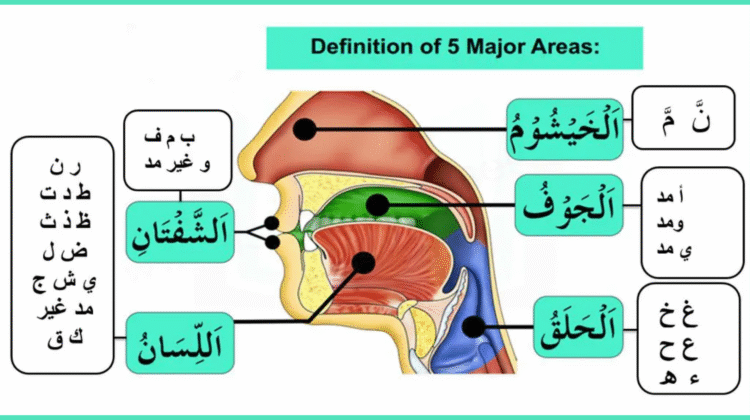
Tajweed is a set of rules that guide the correct pronunciation of Arabic letters and sounds during Quran recitation. These rules include how letters should be pronounced, how long vowels should be stretched, and how to apply pauses and stops correctly. The purpose of Tajweed is to ensure that the words of Allah are recited in the same way as the Prophet ﷺ and his companions recited them. Without Tajweed, a reader may unintentionally change the meaning of words, which can alter the message of the Quran. That’s why learning Tajweed is an essential part of proper Quranic education.
Why is Tajweed Important?
The importance of Tajweed goes beyond pronunciation; it reflects respect and love for the Quran. Allah says in Surah Al-Muzzammil: “And recite the Qur’an with measured recitation.” (73:4). This verse teaches us that reciting with care and precision is an act of worship. When we apply Tajweed, we bring life and emotion to our recitation. It helps us focus, connect spiritually, and recite with khushu (humility). At Light Minaret, our students learn not just how to pronounce letters, but also how to feel the words — reciting with heart, not just the tongue.
The Spiritual Impact of Tajweed
When the Quran is recited correctly, it touches the soul. The sound of each verse, when articulated beautifully, brings calmness to the heart and tears to the eyes. Tajweed helps preserve that beauty. It makes your recitation more melodious and meaningful, enhancing concentration during salah and personal study. Students at Light Minaret often share that learning Tajweed transformed their prayer experience and deepened their connection with the Quran. It’s not only about accuracy but about letting the words of Allah enter the heart in their purest form.
How to Learn Tajweed Effectively
Learning Tajweed requires guidance from an experienced teacher who can correct mistakes in real time. Online videos or books can be helpful, but without supervision, small pronunciation errors can go unnoticed and become habits. At Light Minaret, we provide one-on-one and small-group Tajweed classes where certified teachers listen carefully and offer personalized corrections. We use interactive methods, visual aids, and recitation practice to help students of all ages master the rules easily and confidently.
Common Mistakes Without Tajweed
Many learners, especially beginners, struggle with Arabic letters that don’t exist in their native language, such as ع (‘Ain) or ق (Qaf). Without proper Tajweed, these sounds may be mispronounced, changing the meaning of words. For example, the word “قلب” (heart) and “كلب” (dog) differ by one letter but have completely different meanings. This is why Tajweed is not optional — it’s a necessary safeguard to preserve the true message of the Quran. Teachers at Light Minaret pay close attention to these details, ensuring students pronounce every letter with accuracy.
The Role of Tajweed in Memorization (Hifz)
For students who aim to memorize the Quran, Tajweed is an essential foundation. Memorization without correct pronunciation can lead to confusion and difficulty recalling verses later. When Tajweed is applied, memorization becomes smoother because the rhythm and flow of recitation help strengthen memory. At Light Minaret, we make Tajweed a part of every Hifz class so students not only memorize but also recite with perfection and beauty.
Tajweed for Children and Beginners
It’s best to start learning Tajweed from an early age, but it’s never too late to begin. Children can grasp pronunciation rules faster when they are taught through engaging and interactive lessons. At Light Minaret, our teachers use visual charts, repetition, and positive encouragement to make Tajweed enjoyable for young learners. For adults, our flexible one-on-one sessions allow them to learn comfortably at their own pace, without pressure.
Conclusion
Tajweed is not just a rulebook it’s the soul of Quran recitation. It brings beauty, precision, and sincerity to our recitation, helping us experience the Quran the way it was meant to be heard. Whether you are a beginner, a parent, or someone returning to Quran learning after many years, mastering Tajweed will transform your recitation and your spiritual life. At Light Minaret, we are committed to making this journey easy and rewarding through expert teachers, personalized lessons, and flexible timings.
🌙 Join Light Minaret today and perfect your Quran recitation through the art and blessing of Tajweed.